
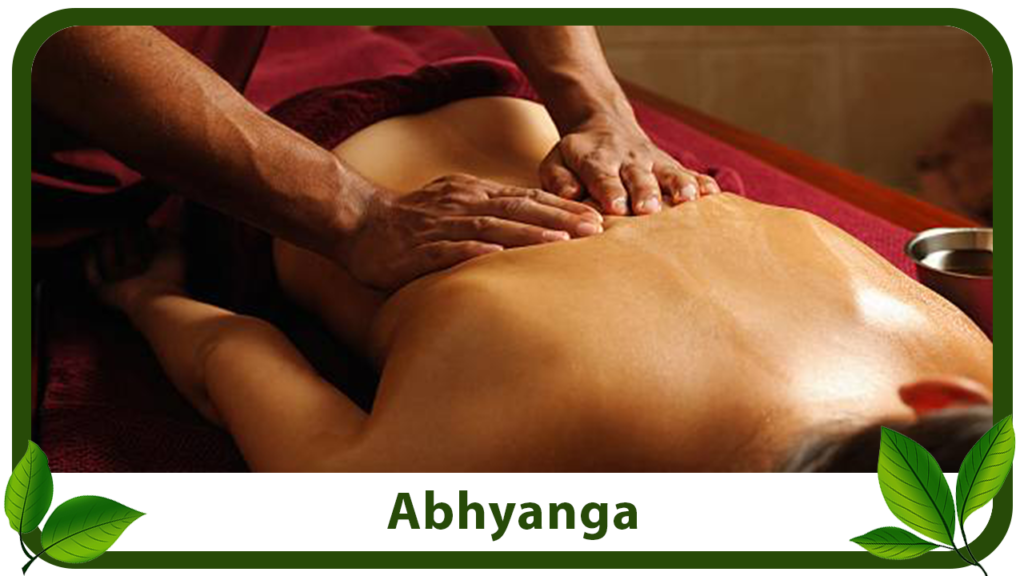
Abhyangam is a traditional Ayurvedic full-body massage using warm, medicated herbal oils tailored to an individual’s dosha (body type).
Warm medicated oils are applied to the entire body, for approx. 45 minutes using long, gentle strokes on limbs and circular motions on joints.
It aids in increased blood circulation, reduces stress, eases joint/muscle pain, and nourishes skin. Often done with synchronized strokes, it promotes deep relaxation,wellness, detoxification, rejuvenation and balances Vata.It is ideal for restoring balance, vitality, and skin health.
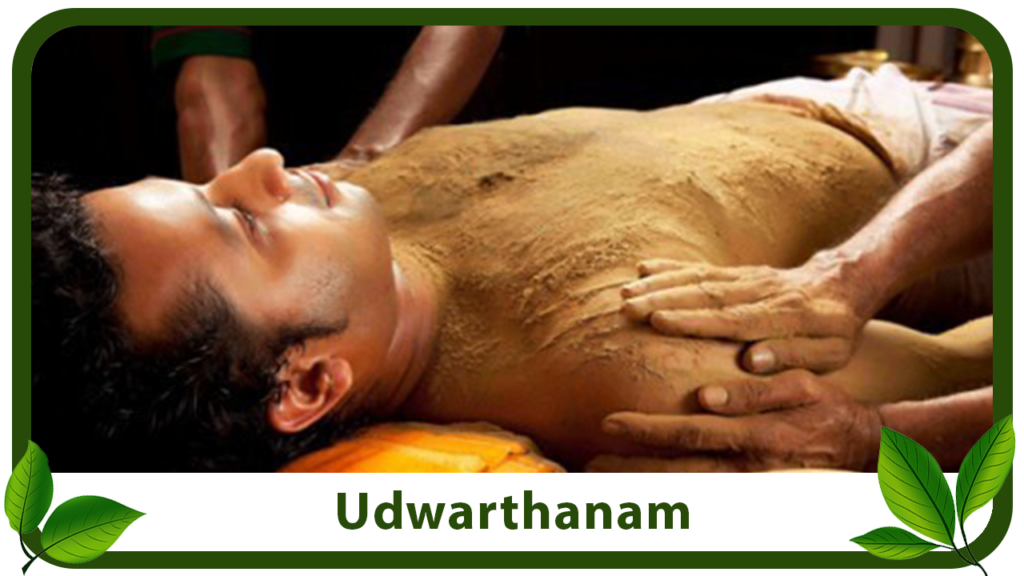
Udwartanam is a specialized Ayurvedic therapeutic deep-tissue massage using herbal powders applied with pressurized upward strokes against the direction of hair follicles.
Involves rhythmic, firm, and upward massaging for 30–40 minutes .
It is primarily designed for weight loss, detoxification, fat reduction, skin exfoliation, and improving metabolism, particularly for Kapha imbalances. In utsadanam, oils and powders help to enhance and exfoliate the complexion and glow of your skin. It also helps in strengthening and stabilizing your body parts, reduces drowsiness and heaviness from the body and alleviates vata and kapha dosha. It clears away dull, dead skin cells promoting a healthy glow.Ideal for improving body tone, boosting metabolism, and enhancing overall skin health naturally.
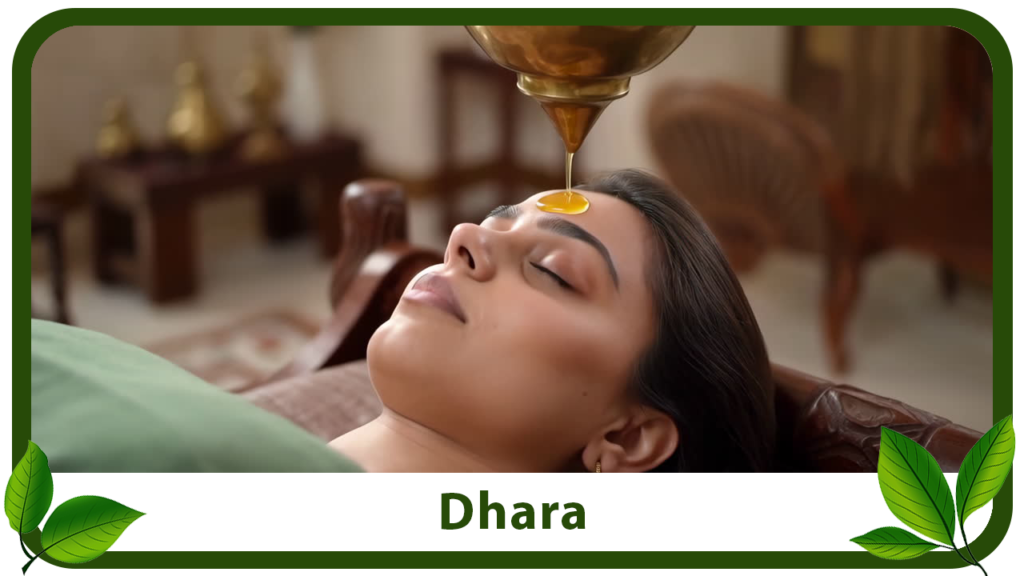
These are major Panchakarma therapy in Ayurveda , in which a steady stream (pravaha) of medicated oil, decoction (kashaya), milk, or buttermilk is poured onto the affected part of body.
Based on the medication used, they are classified into various types and they cure different ailments of the body. It is generally done for 45 to 60 minutes, and for a duration of 14 days.
It is a deeply relaxing and rejuvenating therapy used to treat mental stress, insomnia, chronic headaches, and vata diseases.
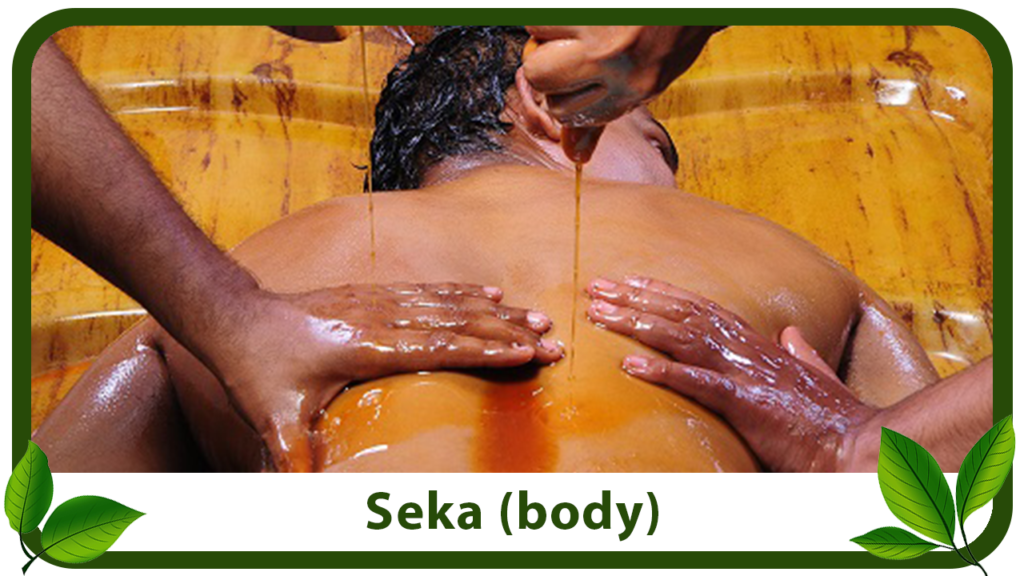
Kaya sekam is a classical ayurvedic treatment that involves pouring of warm medicated oils over the body in a continuous, rhythmic stream, accompanied by a soothing massage.
A typical session lasts roughly 60 minutes, performed for upto 21 days (based on the patient’s condition). Here, warm medicated oil is poured on patient’s body, while trained therapists perform a gentle massages.
It enhances muscle function, boosts circulation, acts as a sedative to the nervous system, and induces deep relaxation.
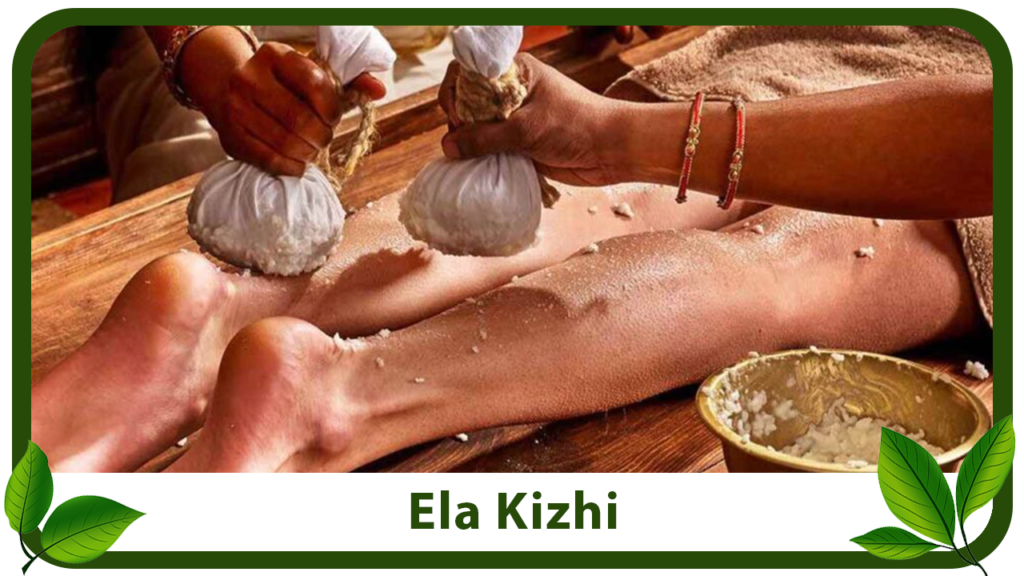
Ela Kizhi, also known as Patra Pinda Sweda, is an Ayurvedic sudation (sweating) therapy that involves the application of heated herbal medicated mixture over the body. “Ela” means leaf and “Kizhi” means bundle of medicated mixture.
An Ela Kizhi session typically lasts 45 to 60 minutes. The therapist applies the warm medicated mixture in rhythmic strokes, focusing on affected body parts or the entire body, depending on the condition. A complete course may range from 7 to 21 days, customized according to the patient’s constitution and ailment.
The heat from the herbal bundles opens up skin pores, allowing the medicinal properties of the herbs to penetrate deep into the tissues. Simultaneously, the massage stimulates blood circulation, soothes nerves, and reduces stiffness. This dual-action therapy promotes both detoxification and rejuvenation.
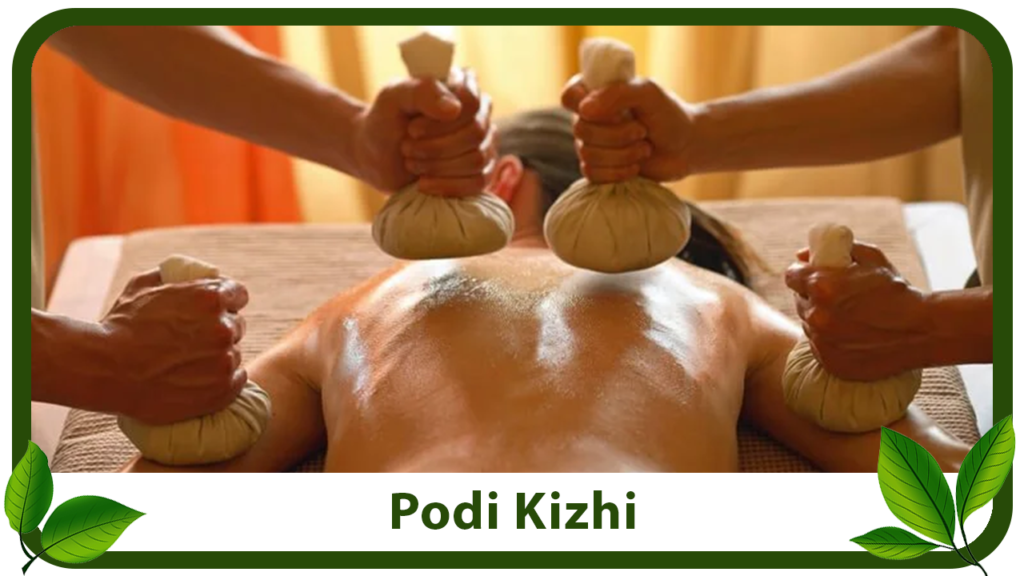
Podikhizi, also known as Choorna Swedam, is a popular Ayurvedic therapy that involves the application of heated herbal powders in cloth bundles over the body.
These powders are then heated and tied into cloth bundles, which are subsequently used to massage the body.
The warmth and medicinal properties of the herbs help to stimulate circulation, reduce inflammation, relieve pain, and promote detoxification, making Podikhizi an effective treatment for various musculoskeletal disorders, arthritis, and certain skin conditions.
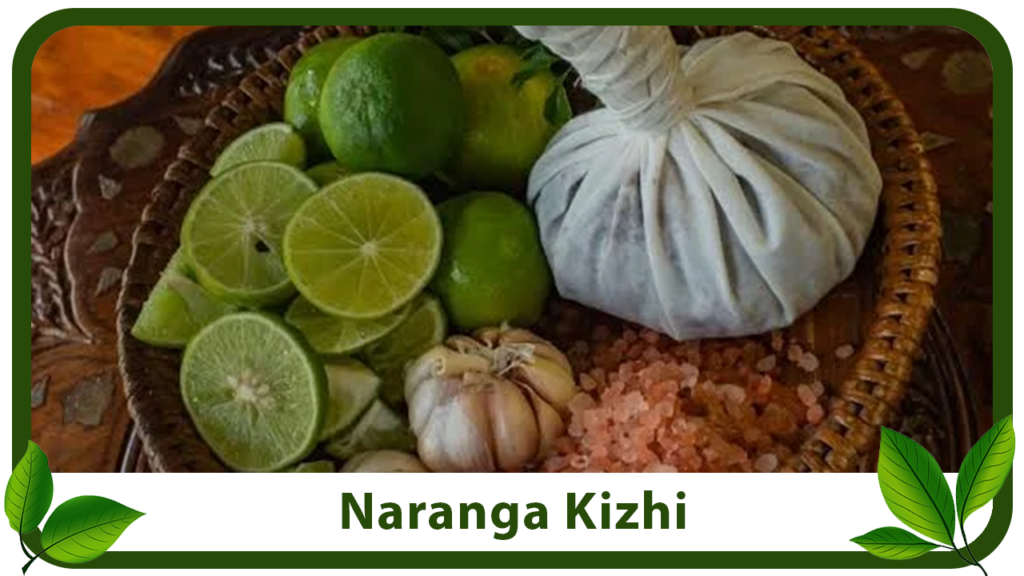
Naranga Kizhi, also known as Jambira Pinda Swedam, is a traditional Ayurvedic therapy rooted in the healing practices of Kerala.
Lemons are cut and mixed with herbal powders and medicated ingredients.The mixture is tied into kizhi.The kizhis are heated and rhythmically applied over affected areas.Heat and herbal potency penetrate deep tissues to relieve pain and stiffness.
Naranga Kizhi is especially effective in addressing musculoskeletal and neurological conditions such as joint pain, stiffness, muscle spasm, cervical spondylitis etc by balancing the vata and kapha doshas.
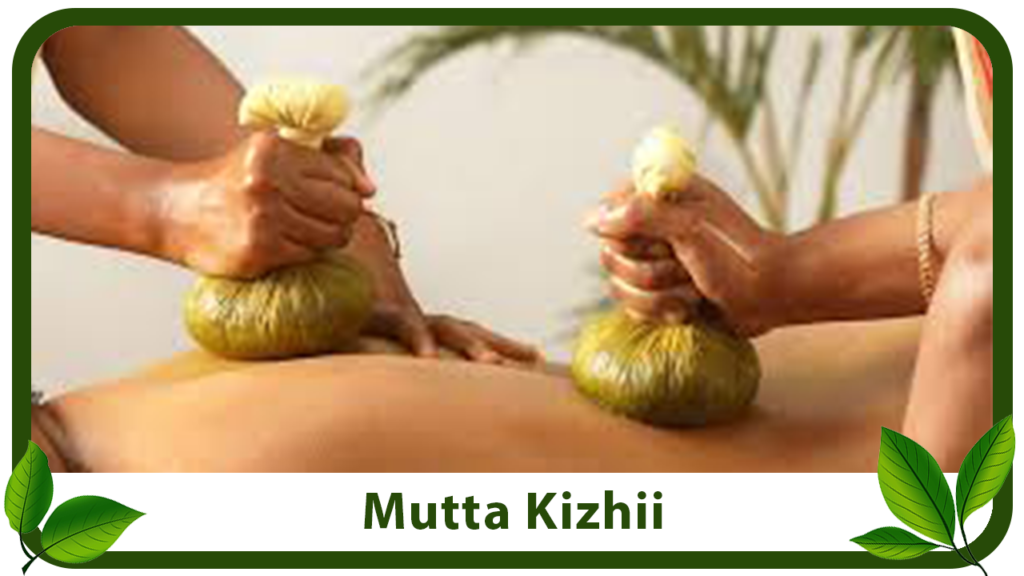
Mutta kizhi (Anda Kizhi) is a specialized Ayurvedic therapy using boiled eggs, herbal powders, and oils, bound in kizhi to treat muscle pain, stiffness, and neurological issues.
It is a type of sweadana procedure where the pottali is applied with gentle pressure and rubbing movements over painful regions for around 45 minutes for approximately 21 days (based on condition).
It helps in reducing stiffness, swelling and fatigue by improving blood circulation, indicated in neck pain, back pain, joint strain, sports injuries etc.
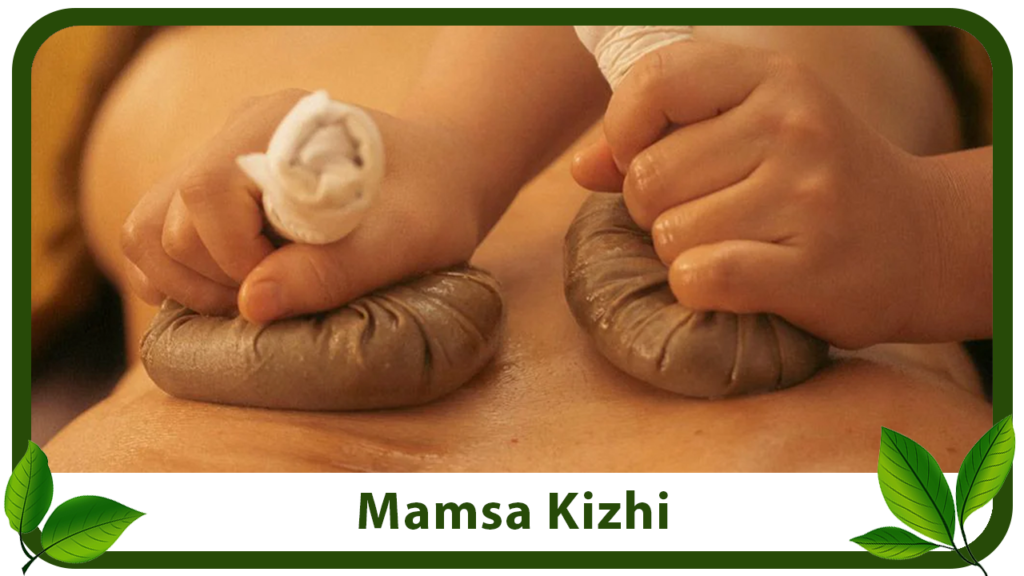
Mamsa Kizhi is a specialized Ayurvedic therapeutic massage (Snehayukta Swedana) that uses heated kizhis filled with cooked meat, herbs, and oils.
Meat (usually goat, sheep, or chicken) is cooked with herbs (like Dashamoola) and medicated oils, then packed into linen bags to make Kizhi. These are heated by dipping in oil and applied to the body through rhythmic tapping and massage. Generally, this treatment takes 30 to 45 minutes to an hour.
It helps to reduce arthritis, body ache, chronic pain, ligament tears, sports injuries, muscular dystrophy etc. by sudation effect and pharmacological actions of herbal drugs.
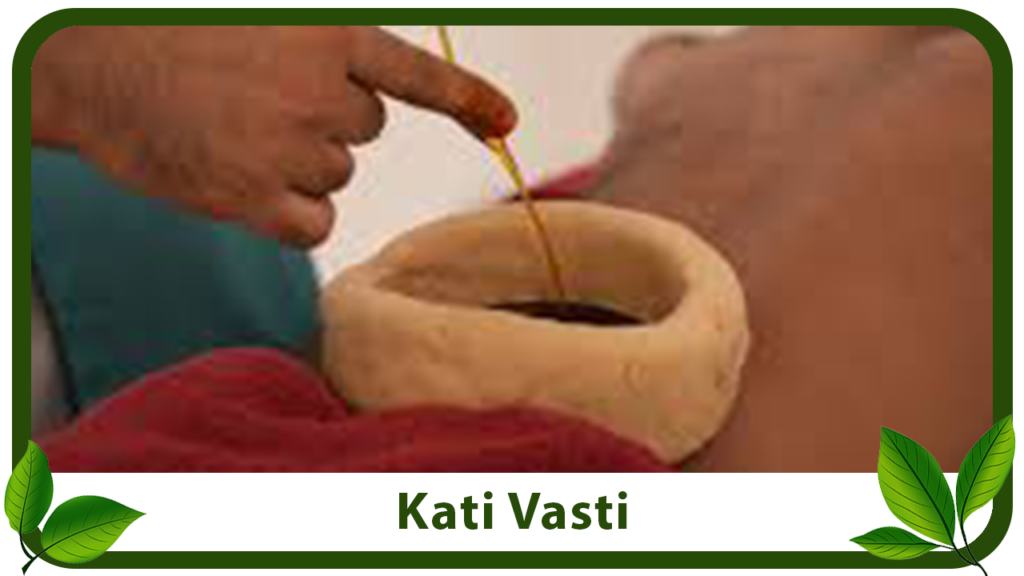
Kati Vasti is a specialised Ayurvedic therapy focused on relieving lower back pain and strengthening the spine, by retention of medicated oil in low back region.
In this treatment, a reservoir made of black gram dough is placed on the lower back (kati region) and filled with warm medicated oil.The oil is retained for a specific duration, allowing deep absorption into the tissues.
Kati Vasti helps to reduce stiffness, inflammation, and discomfort caused by conditions like sciatica, herniated discs and lumbar spondylosis. It also improves circulation, supports spinal health and promotes overall relaxation and mobility.
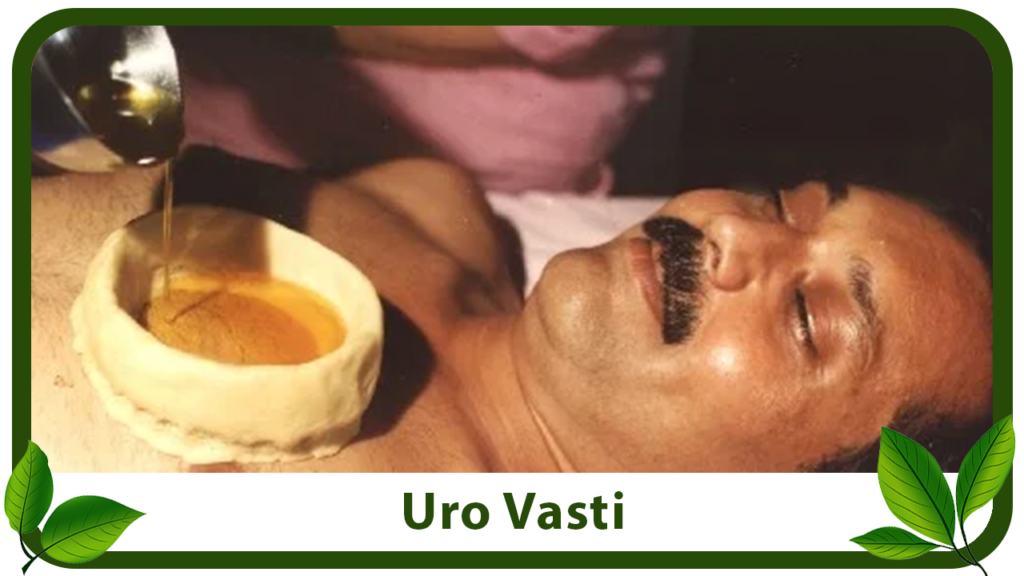
Uro Vasti is an Ayurvedic treatment focused on relieving chest discomfort and strengthening the cardiac and respiratory region, by retention of medicated oil over the chest area.
In this treatment, a reservoir made of black gram dough is placed on the chest (uro region) and filled with warm medicated oil. The oil is retained for a specific duration, allowing deep absorption into the tissues.
Uro Vasti helps to reduce pain, tightness, and congestion associated with conditions like respiratory disorders, muscular chest pain, and stress. It also improves circulation, supports heart and lung function and promotes overall relaxation and ease of breathing.
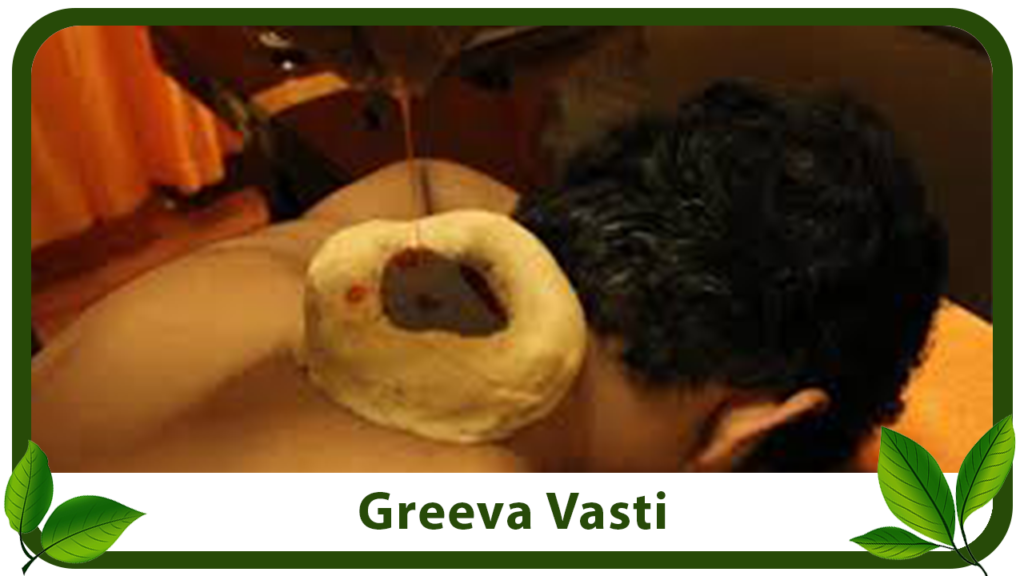
Greeva Vasti is an Ayurvedic treatment focused on relieving neck pain and strengthening the spine (mainly, cervical spine), by retention of medicated oil in low back region.
In this treatment, a reservoir made of black gram dough is placed on the cervical region (greeva region) and filled with warm medicated oil.The oil is retained for a specific duration, allowing deep absorption into the tissues.
Greeva Vasti helps to reduce stiffness, inflammation, and discomfort caused by conditions like cervical spondylosis, herniated discs, etc. It also improves circulation, supports spinal health, and promotes overall relaxation and mobility.
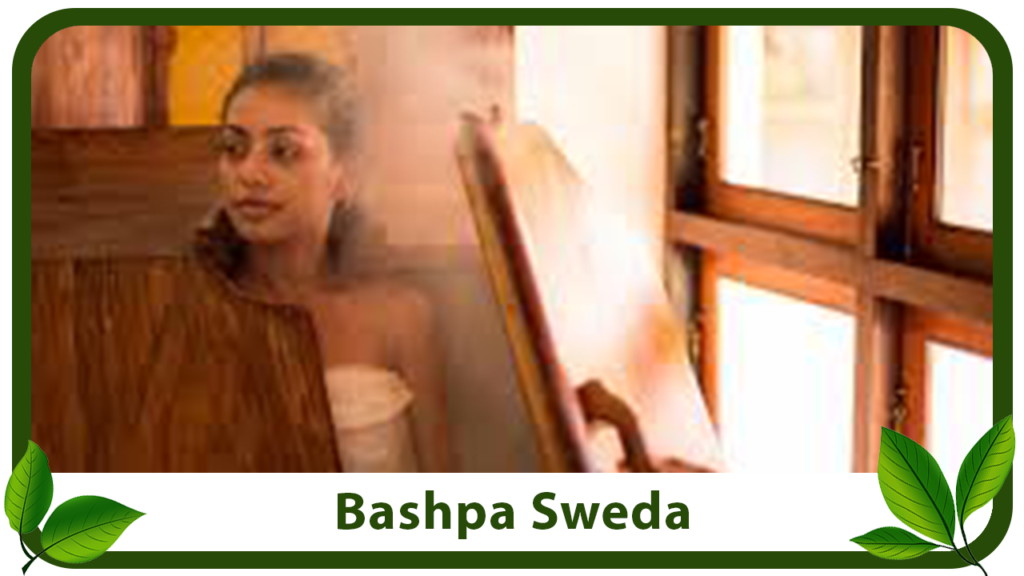
Bashpa Sweda is a traditional Ayurvedic therapeutic steam bath where a person sits in a chamber filled with herbal medicated steam, keeping the head exposed.
Often performed after an oil massage (Abhyanga), the patient sits in a specially designed wooden chamber for 15-20 minutes, based on the condition of the patient.
It relieves rheumatism, arthritis, back pain, paralysis and aids in weight reduction. It also clears sinus issues and aids in stress relief,improves blood circulation and boosts respiratory and skin health naturally. It also enhances digestion and promotes total mind-body wellness.
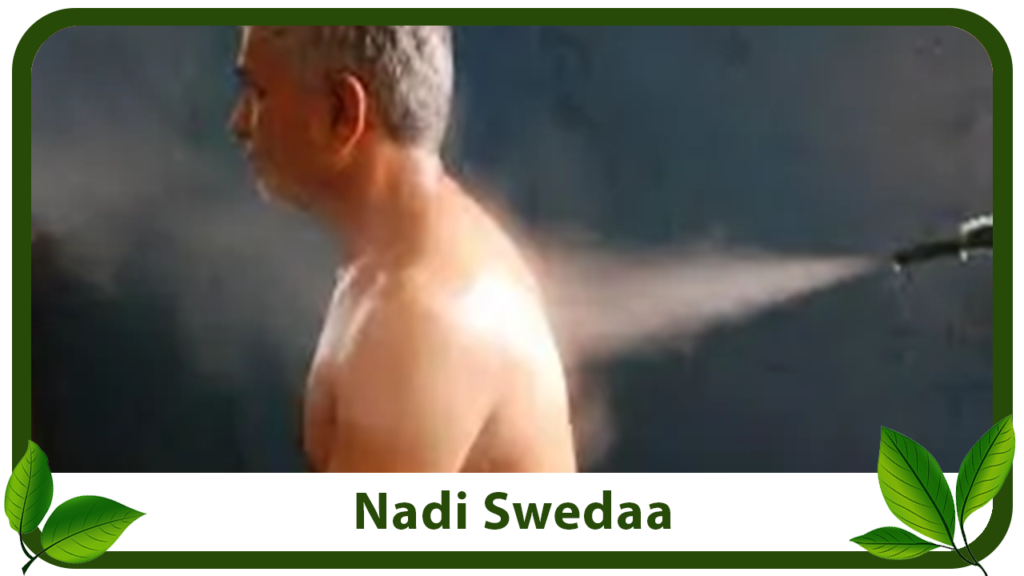
Nadi Sweda is a specialized Ayurvedic sudation (sweating) therapy that uses a tube (nadi) to direct medicated steam onto specific, localized areas of the body.
A Nadi Swedana Yantra (kettle or container with a hose) is used to generate steam from medicated water, which is then applied directly to a target area for 35 to 45 minutes (based on the condition of the patient).
It is highly effective for conditions associated with high Vata dosha, such as joint pain, muscle stiffness, paralysis and various types of sciatica.
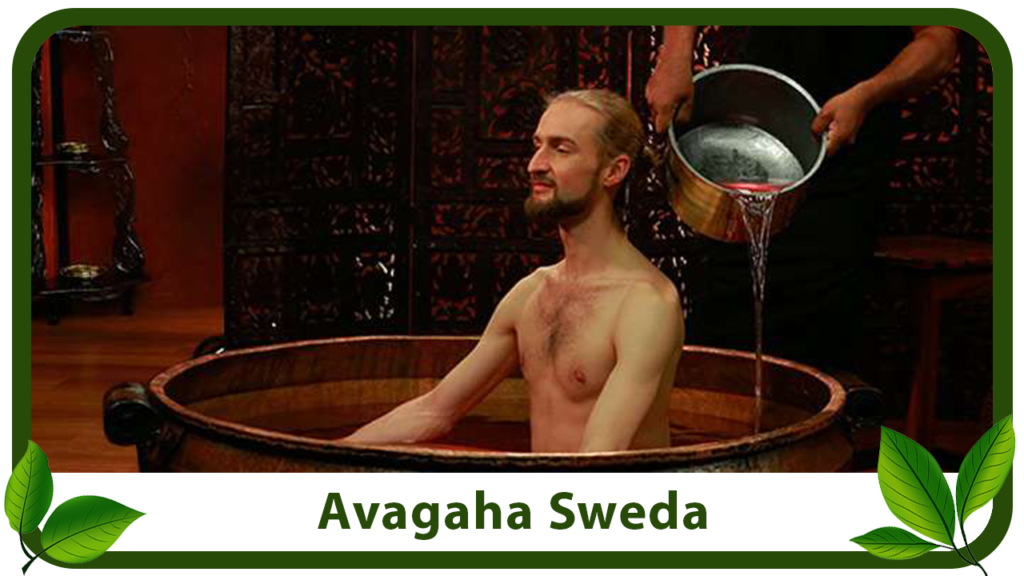
Avagaha means ‘submerged’ in Sanskrit. During Avagaha Sweda treatment, the patient is made to sit in navel-deep warm water, medicated liquid or oil.
Warm water is regularly replenished to maintain the temperature in the tub. To prevent dehydration, the treatment is stopped as soon as the patient starts perspiring. The entire procedure lasts around 20 minutes.
Avagaha Sweda is commonly prescribed for the treatment of Vata-related issues. This therapy is highly recommended for patients suffering from rheumatism, hernia and other related ailments.This herbal decoction bath promotes deep tissue relaxation, reduces soreness and improves circulation naturally
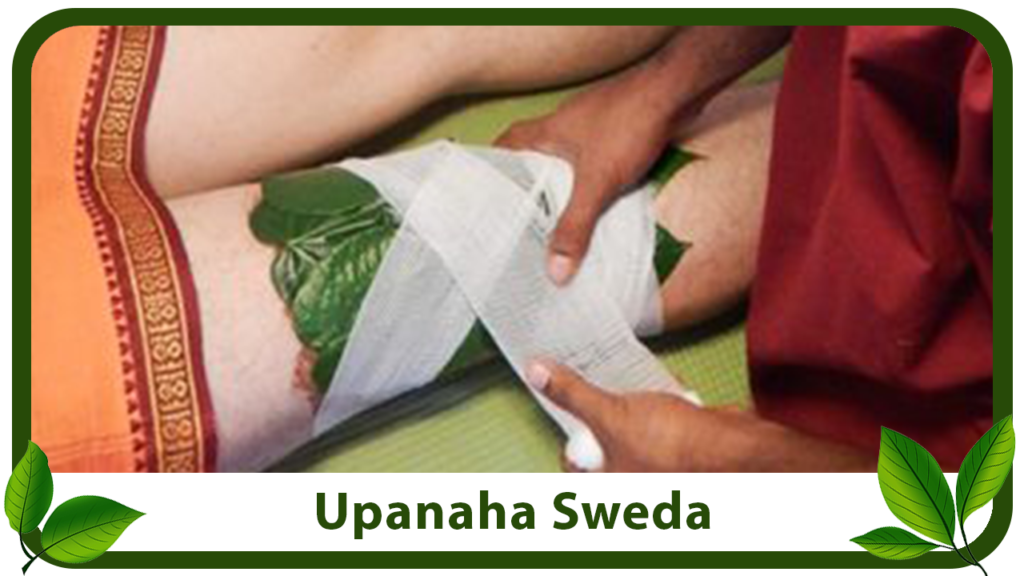
Upanaha Sweda is an Ayurvedic therapeutic procedure involving the application of warm medicated herbal paste to a specific, painful, or inflamed body area, followed by bandaging.
A paste of herbs (typically with oils, powders, and sour substances) is heated, applied about 5mm thick, covered with leaves (like castor), and bandaged for 10-12 hours. It is classified as sa agni, niragni based on the preparatory method.
It is highly effective for arthritis, joint inflammation, muscle spasms, frozen shoulder, sciatica and chronic musculoskeletal conditions involving stiffness.
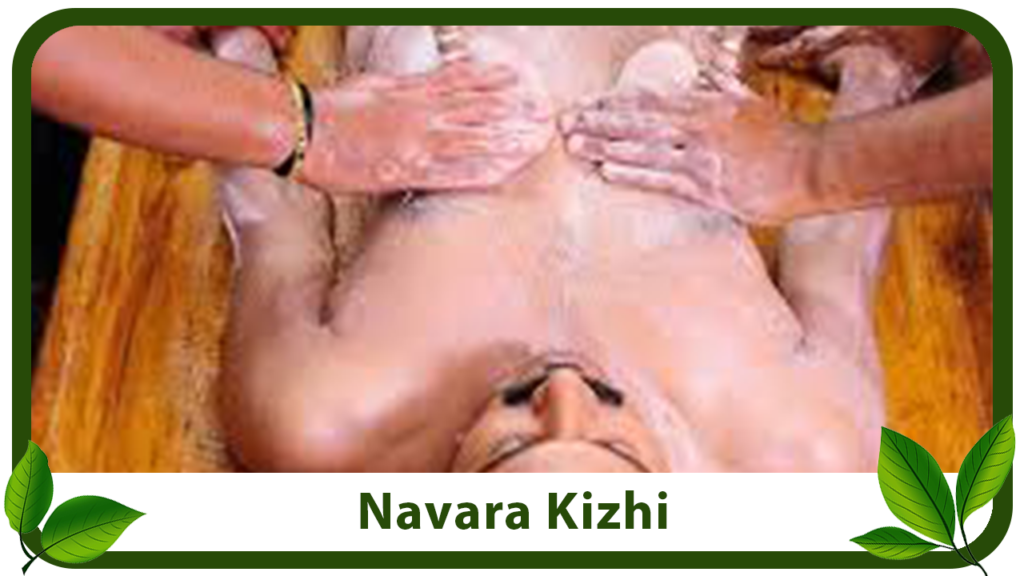
Navarakkizhi is an ayurvedic treatment in which boiled navara rice is bundled and massaged on the body.
Firstly, abhyangam is performed over the patient’s body. Then the body is massaged with Kizhi of Navara rice boiled in cow’s milk and bala kashayam and tied into pottali form. The procedure is performed for approx 45 minutes.
It helps in rejuvenation and provides strength and nourishment to the body. It is mainly indicated in neuro muscular conditions and conditions of vata origin . It also relieves muscle pain, strengthens the nervous system, improves circulation, nourishes tissues, enhances skin texture and boosts overall vitality.
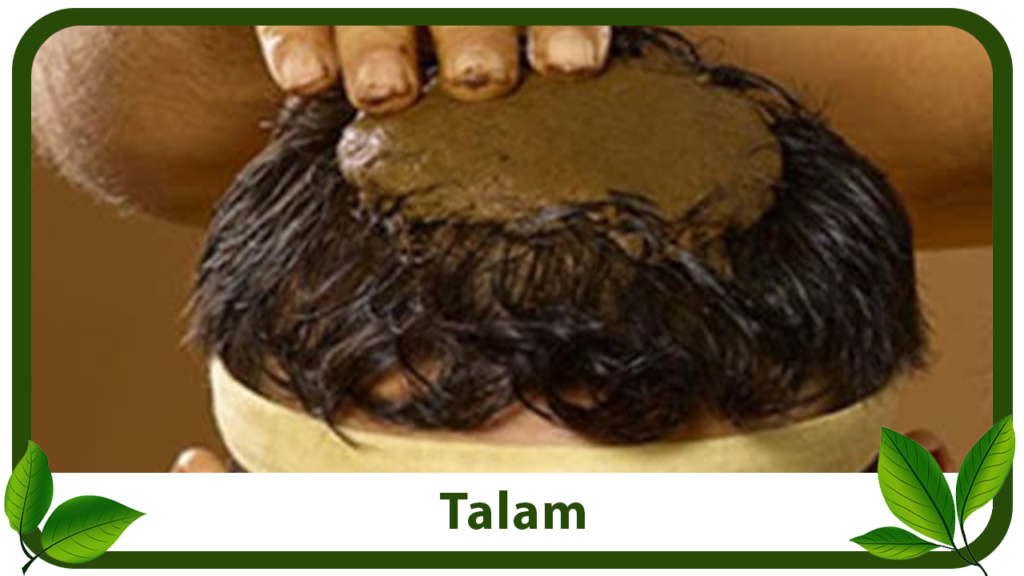
Talam is a classical Ayurvedic procedure in which a medicated herbal paste is applied over the crown (vertex) of the head.
The paste is prepared using specific herbs and is placed on the scalp, usually over a protective layer like leaves or cloth. Duration varies depending on the condition and is done under proper supervision and hygienic conditions. Doesn’t cause any damage to hair or change its color.It acts through absorption of herbs via the scalp’s rich vascular supply, stimulating peripheral nerves, alleviating stress (anti-depressant) and reducing scalp inflammation.
It helps in calming the mind, reducing stress, headache, burning sensation and is beneficial in neurological and psychosomatic disorders by managing Prana Vayu and regulating Tarpaka Kapha in the brain.
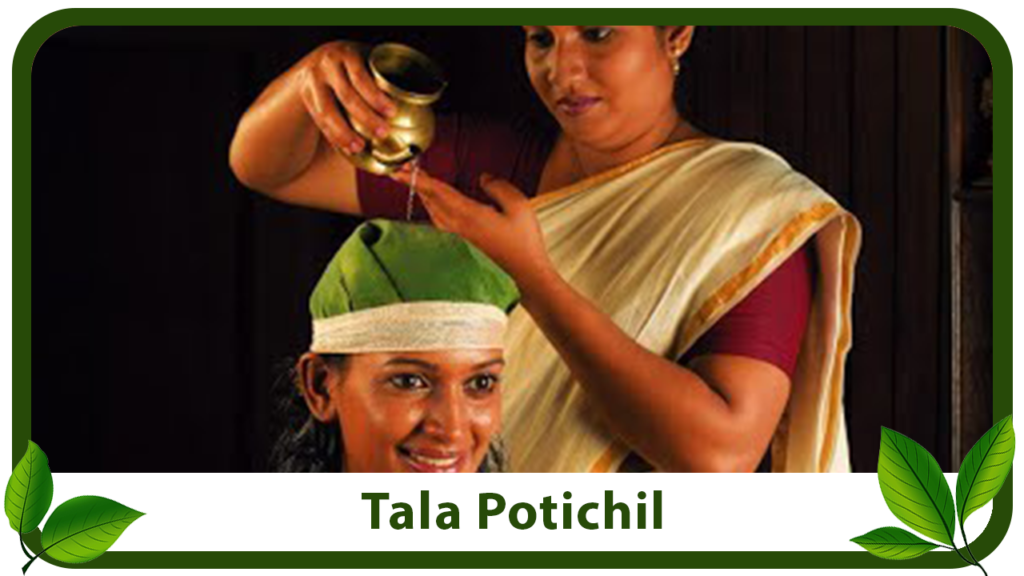
Thala Podichil is a traditional Ayurvedic therapy in which medicated herbal powders are applied over the scalp, often after oil application or mild sweating procedures.
The powders are selected based on the individual’s condition and may have cooling, cleansing or therapeutic properties. Duration varies depending on the procedure and is carried out under hygienic conditions.
It helps in reducing scalp inflammation, dandruff, itching, excess oiliness and promotes hair and scalp health. It is highly effective for stress relief, insomnia and managing hypertension naturally
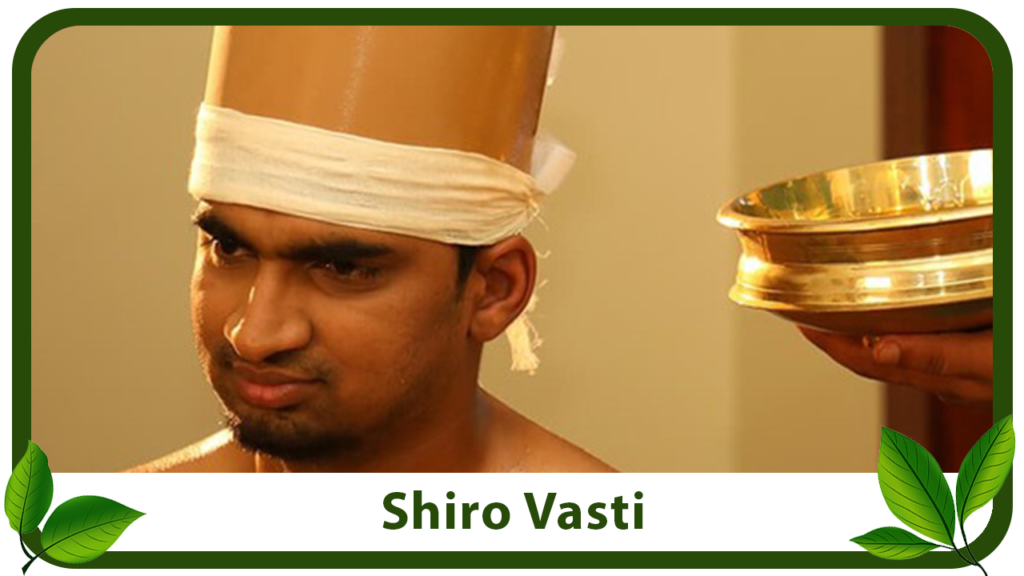
Shiro Vasti is a classical Ayurvedic therapy in which warm medicated oil is retained over the head using a specially designed cap or reservoir.
The oil is selected based on the individual’s condition and is kept at a controlled temperature throughout the procedure. Duration usually ranges from 20–40 minutes and is performed under strict supervision and hygienic conditions.
Helps in nourishing the brain and nervous system, relieving stress, anxiety, headache, insomnia and is beneficial in neurological disorders and hair-related issues.
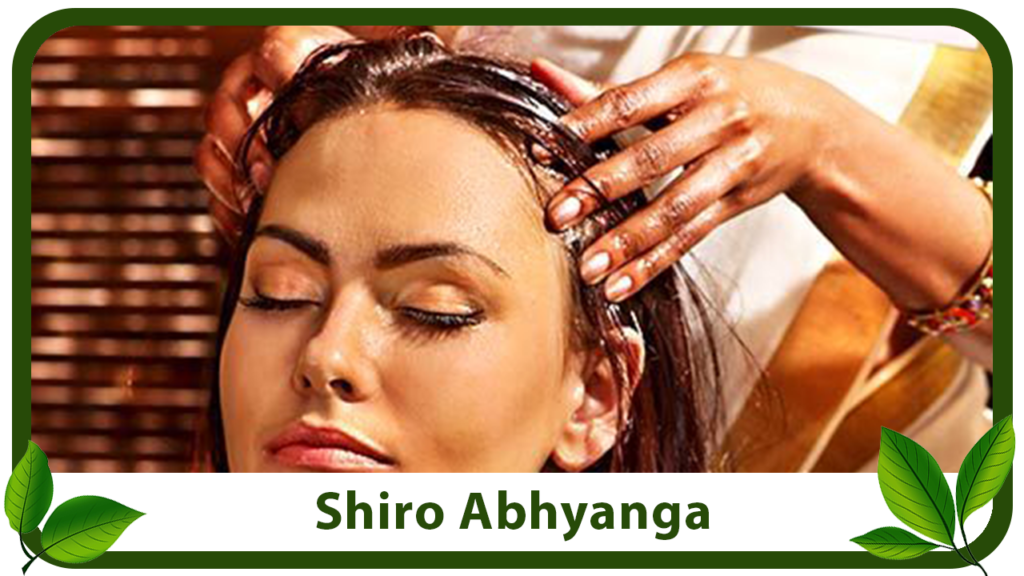
Shiro Abhyanga is a traditional Ayurvedic head, neck and shoulder massage using warm, medicated oils to deeply nourish the scalp and relieve stress.
Typically, warm sesame or coconut oil is used, often blended with herbs, depending on the individual’s dosha and is applied to the scalp and hair, using gentle, circular massage techniques over the entire head, neck and shoulders.
It helps in improving hair and scalp health by strengthening hair roots, reduces dandruff, helps to treat insomnia, headache etc and rejuvenates the body.
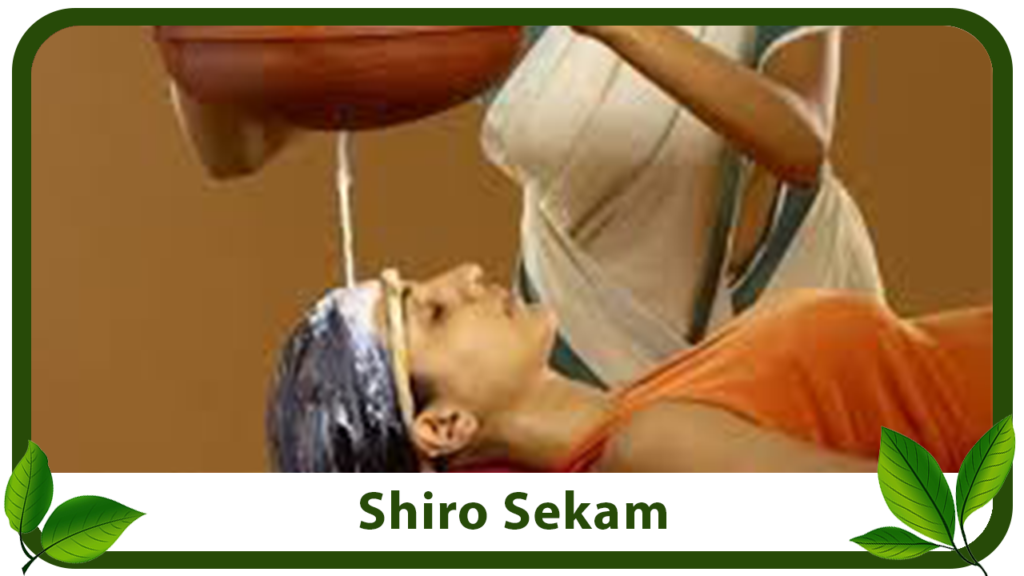
Shiro Seka (also known as Shirodhara or Shiro Pariseka) is a traditional Ayurvedic therapeutic procedure involving the continuous, rhythmic pouring of warm medicated liquids over the scalp.
Here, based on the condition of the patient, oil, milk, buttermilk or herbal decoction is used. Medicated liquids are poured from a specific height in a thin, continuous stream, often targeting the forehead (“third eye” region) to stimulate the pituitary and pineal glands.
It is considered a deeply rejuvenating treatment, often used for its calming effects on the mind and for treating conditions related to Vata and Pitta doshas. It Promotes deep relaxation, mental calmness and memory improvement and Helps prevent dandruff, hair fall and premature greying.
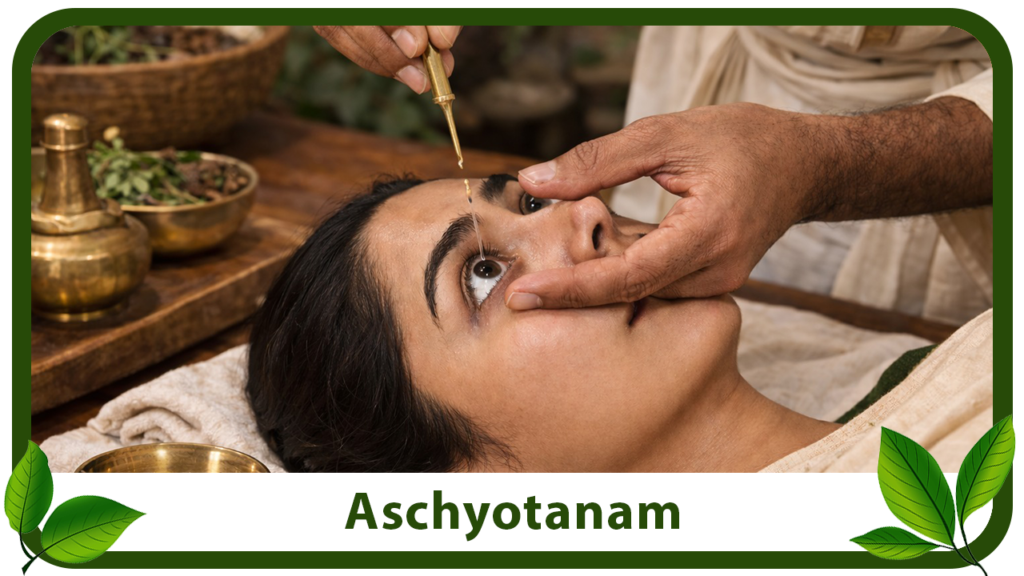
The procedure where the medicated drops are surged on the open eyes from a height of two angulas in prescribed format is called aschyotanam.
Here, after preoperative procedures, medicated drops are pored on the cornea and conjunctiva of eye. The number of drops indicated varies from 5-12 drops in the conjunctiva as per the condition.
It is mainly indicated in conditions like conjunctivitis, cataract, glaucoma, dry eyes, inflammatory lesions of eyes etc.
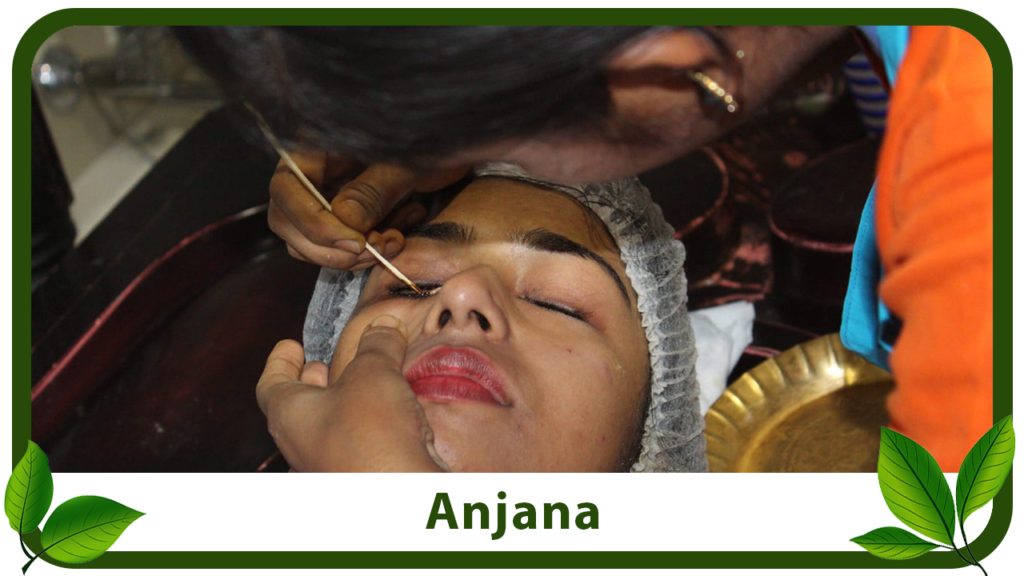
Anjana is procedure of applying medicinal pastes/ powders to inner part of lower lid either from kaneenika sandhi (inner canthus) to apanga sandi( outer canthus)or vice versa with anjana shalaka (applicator).
It is used for both maintenance of health and for curing the disease, based on the condition. It acts by delivering medicinal agents directly to the eye’s conjunctiva and cornea
It enhances eye beauty (adds luster), relieves itching and burning, reduces screen-time damage and aids in treating conditions like conjunctivitis and early cataracts.
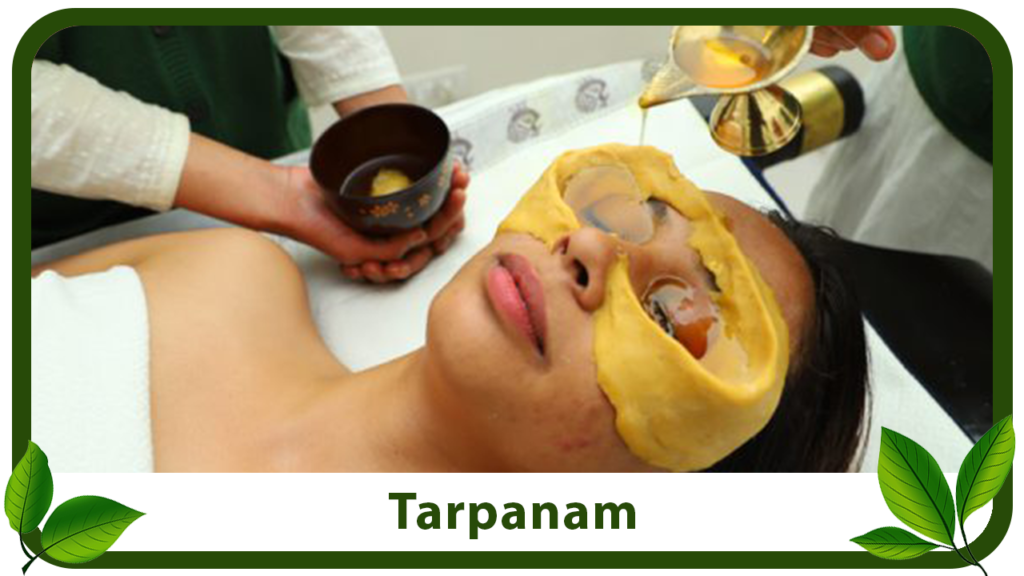
A specialized Ayurvedic procedure in which medicated ghee or herbal liquids are retained over the eyes within a boundary made of dough.
The therapy is performed using lukewarm medicated ghee selected according to the individual’s condition.
Duration usually ranges from 15–30 minutes and is carried out under strict hygienic conditions with proper care.
Helps in nourishing and strengthening the eyes, reducing dryness, eye strain, burning sensation and is beneficial in various eye disorders and for improving vision.
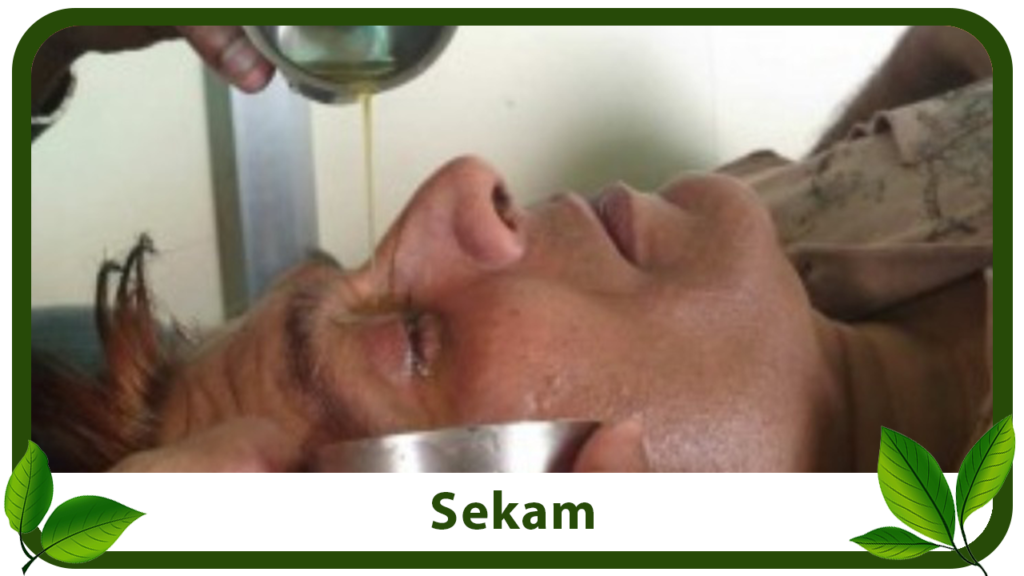
A gentle Ayurvedic procedure in which a continuous stream of medicated liquid (such as herbal decoction or medicated water) is poured over the closed or open eyes.
The liquid and duration are selected based on the individual’s eye condition and dosha imbalance.
Usually performed for a short duration under strict hygienic and controlled conditions.
Helps in relieving eye strain, burning sensation, dryness, redness and is beneficial in various eye disorders while soothing and refreshing the eyes.
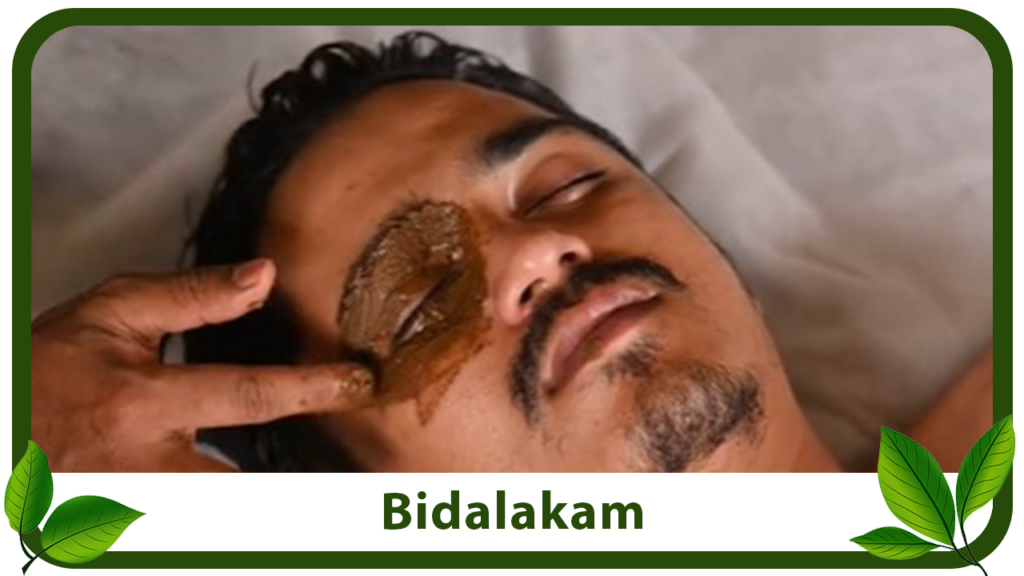
A classical Ayurvedic external therapy in which medicated herbal paste is applied over the eyelids and surrounding areas, avoiding direct contact with the eyes.
The paste is prepared using herbs with cooling, anti-inflammatory and soothing properties based on the condition.
Duration usually ranges from 15–30 minutes and is performed under hygienic conditions.
Helps in reducing inflammation, swelling, pain, and burning sensation, beneficial in eye disorders, dark circles and eye strain.
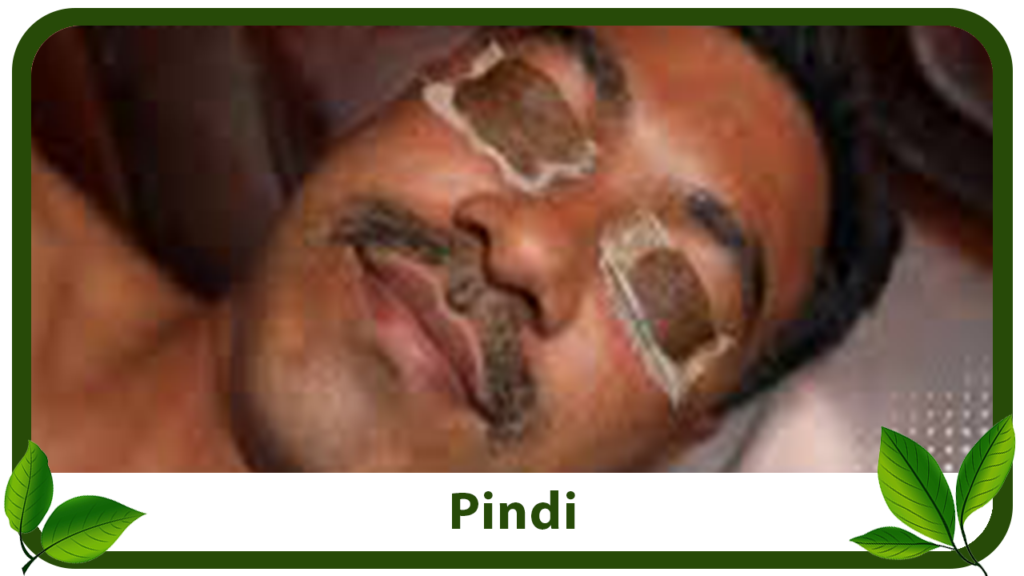
Netra Pindi (or Pindi/Kavalika) is an Ayurvedic ocular therapy (Kriyakalpa) where a medicated herbal paste is wrapped in a cloth, formed into a kizhi and placed over closed eyes.
Herbs are chosen based on the dosha imbalance and ground into a paste (e.g., Triphala, Yashti for Pitta; Shigru for Kapha). The paste is prepared and sometimes mixed with oils or ghee, based on the condition of patient. The pindi procedure is carried out for 45 minutes, or even overnight, based on the condition of the patient.
It helps to treat conditions like conjunctivitis, dry eye syndrome, ocular pain, redness, swelling etc.
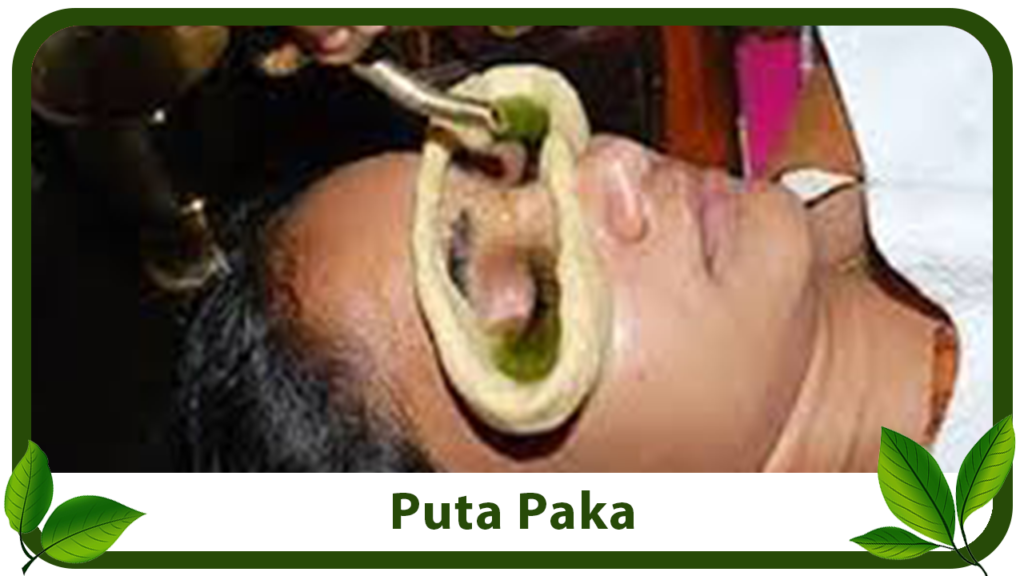
Putapakam is an Ayurvedic therapeutic process for the eyes, involving the application of warm, medicinal liquid (swarasa or kwatha) prepared by heating herbs in a sealed clay cup (puta).
Herbal ingredients are prepared into a paste, sealed inside leaves/cloth and coated with clay, which is heated (puta) over fire until red-hot. The medicinal juice is extracted from this residue. It is often used as a post-treatment care (aftercare to Tarpana), to nourish, heal and cleanse the eyes (Ropana and Lekhana), reducing the adverse effects of heavy lubrication.
It is commonly used for chronic eye disease, glaucoma, redness, styes and improving the ability of the eyes to withstand bright light.
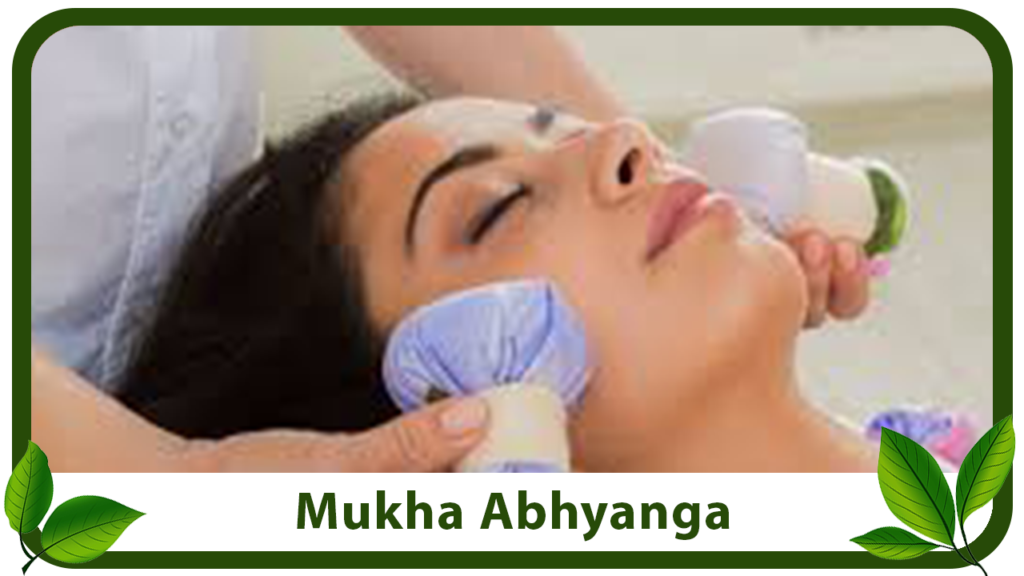
Mukha Abhyanga is a traditional Ayurvedic therapy involving gentle massage of the face using medicated oils or herbal formulations suited to the individual’s skin type. It is also used as a premonitory procedure for various other ayurvedic therapies.
Performed with specific strokes and techniques (mainly circular), it helps to stimulate facial muscles and improve circulation. Duration is usually 15–30 minutes and carried out under hygienic conditions.
It helps in nourishing the skin, improving complexion, reducing wrinkles, relieving stress and promoting a healthy, natural glow.
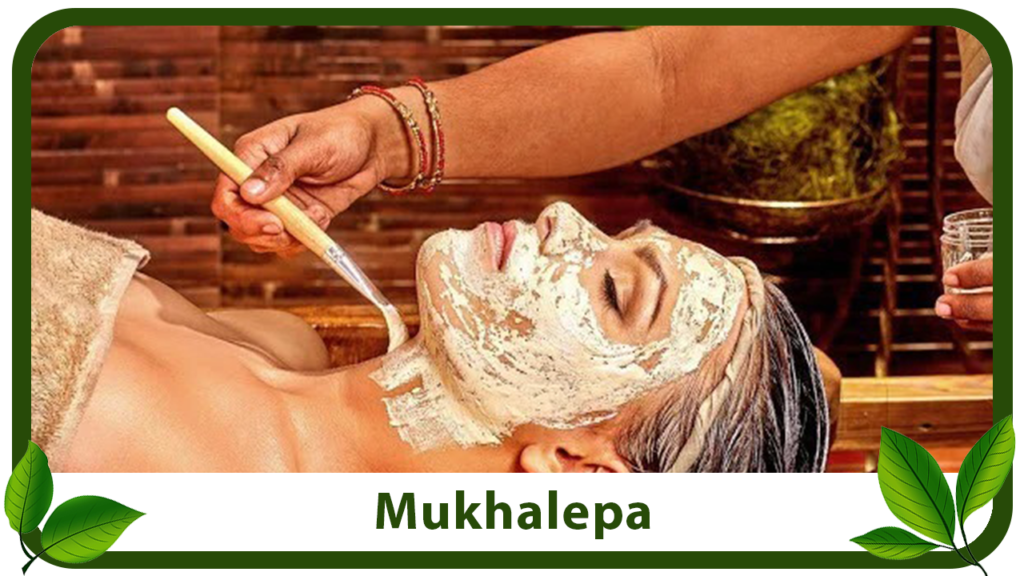
Mukha Lepa is a traditional Ayurvedic external therapy involving application of medicated herbal pastes on the face for therapeutic and cosmetic benefits.
Prepared using natural ingredients like herbs, powders, oils or decoctions selected according to skin type and condition.Duration usually ranges from 15–30 minutes and is performed under hygienic conditions.
Helps in improving complexion, reducing acne, pigmentation, wrinkles and enhances skin glow and texture.
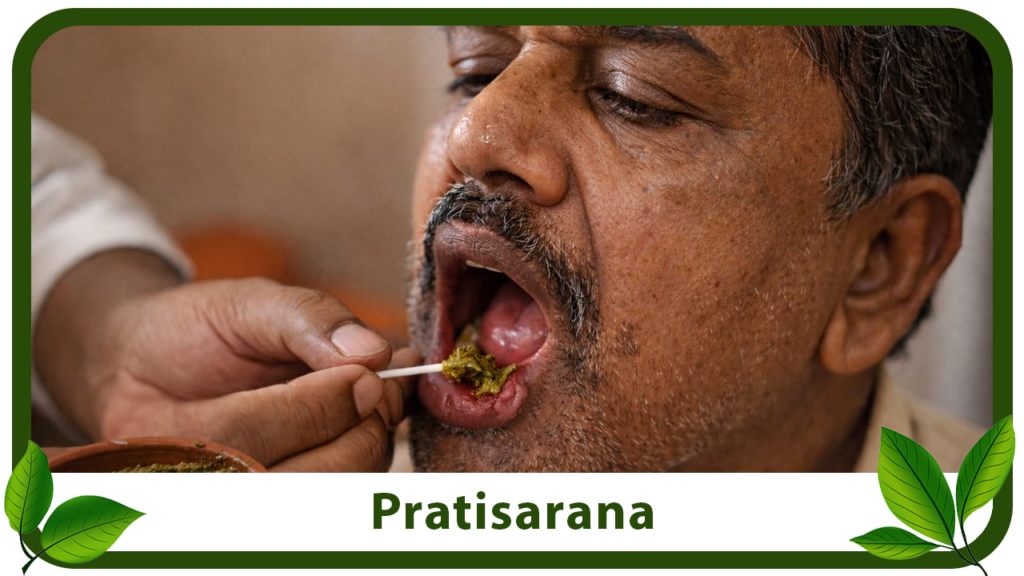
Pratisarana is a classical Ayurvedic procedure involving gentle rubbing or application of medicated herbal powders, pastes or oils over the affected area (especially, in oral cavity).
The choice of medicine depends on the condition and may include herbs with cleansing, healing or anti-inflammatory properties.
It helps in reducing pain, inflammation and infection, promotes healing and is beneficial in conditions like wounds, oral diseases, skin disorders and localized swelling.
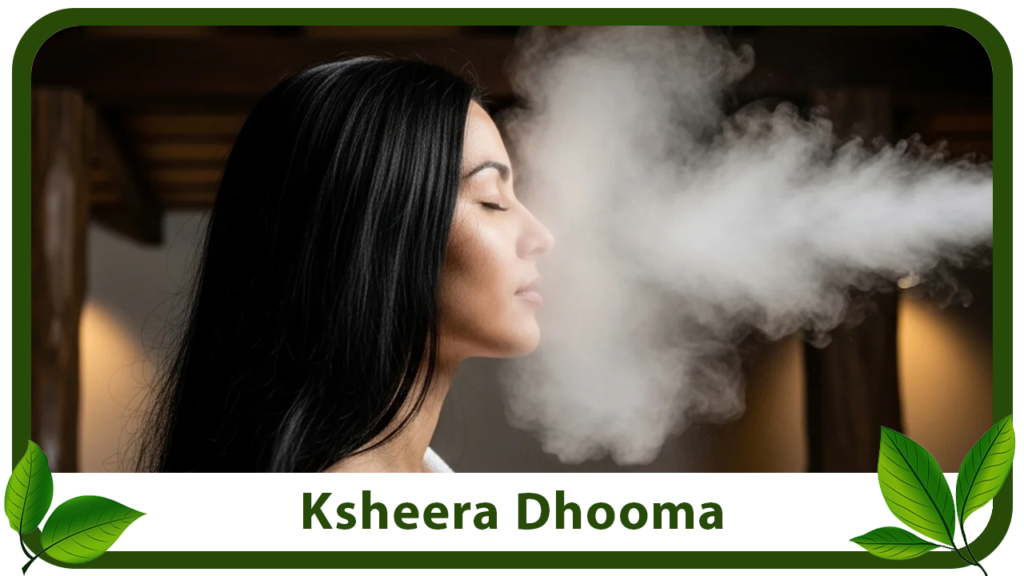
Ksheera Dhooma is a specialized Ayurvedic therapy in which medicated milk is processed to produce therapeutic fumes that are gently directed towards the affected area.
Herbal drugs are added to milk and heated to generate medicated vapors, administered in a controlled manner. The Duration is usually short (15-20 mins) and performed under careful supervision with proper safety and hygienic measures.
It helps in reducing pain, inflammation, dryness and stiffness, especially beneficial in facial disorders (especially facil palsy), ENT conditions, and neurological ailments.
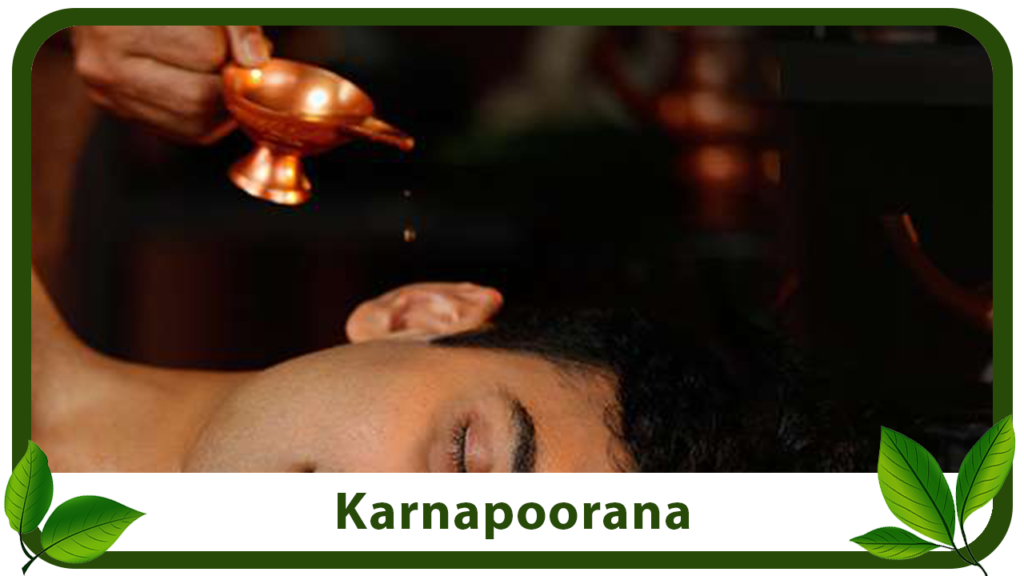
The Ayurvedic procedure of administering herbal medicated liquids in the ears for a stipulated amount of time is called Karna Poorana.
Oil is installed in each ear, one by one and retained for a certain duration (usually, 15 mins) based on the condition of the patient. After retention the oil is removed using cotton.
This procedure helps in regulating vata dosha and helps to cure dryness in the ear canal, neck and shoulder tension, ringing in the ears (tinnitus, jaw discomfort or TMJ symptoms, hearing sensitivity, restlessness or poor sleep.
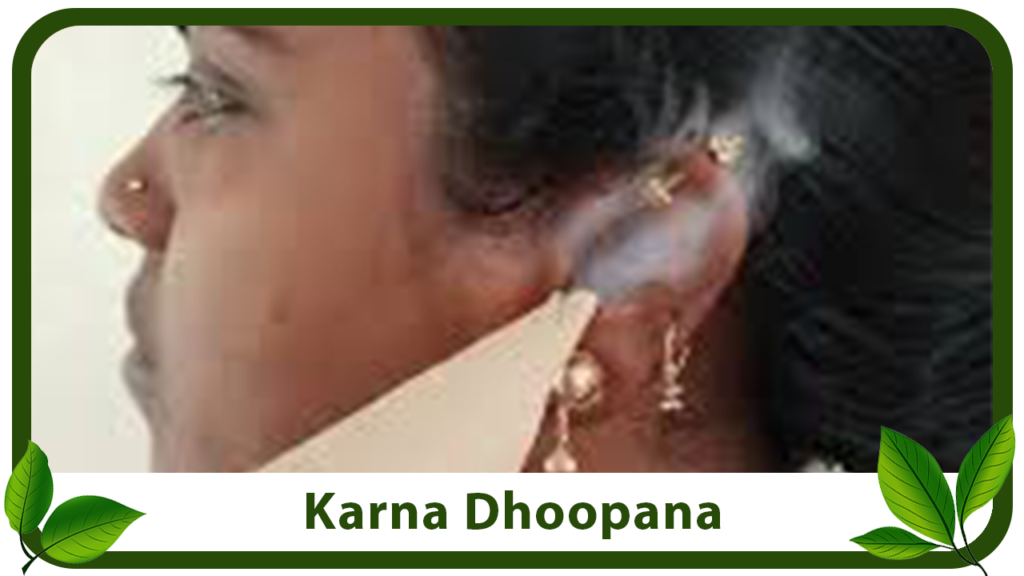
Karna Dhoopana is an Ayurvedic therapeutic procedure involving ear fumigation, where medicated fumes from burning herbal wicks (varthi) are directed into the ear canal.
After pre operative procedures, herbal wick is ignited, and the smoke is channeled into the ear canal using a tube or funnel for a few minutes. Done carefully for few minutes under supervision.
It helps to reduce moisture and infection, indicated in ear discharge, itching, fungal infection tendency and blocked sensation. It is used in treating earaches, chronic suppurative otitis media (CSOM), ear boils, fungal infections (otomycosis) and ear itching.
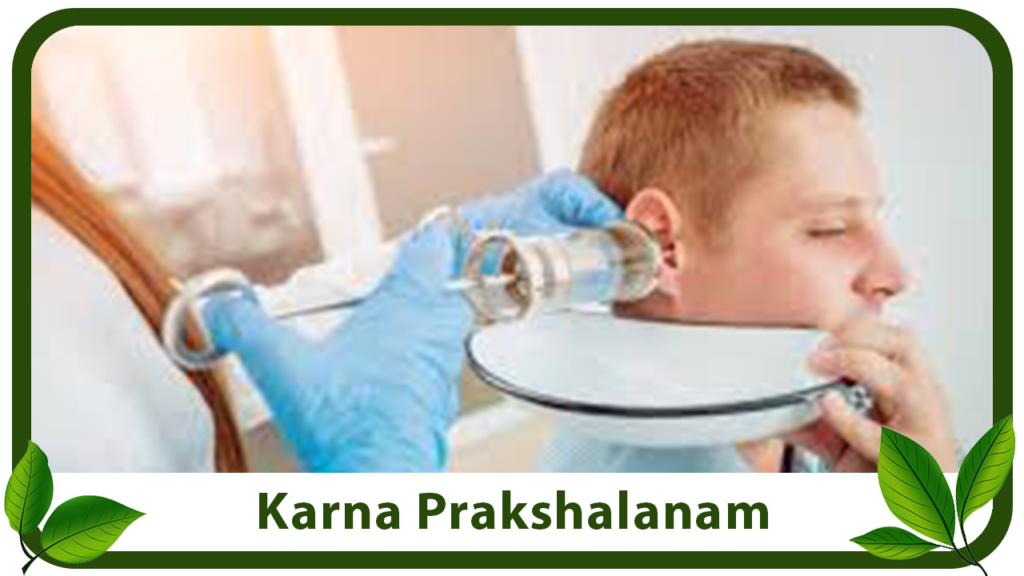
Gentle cleansing of the ear canal using herbal liquids or plain water is called karna prakshalanam
The procedure usually takes 5–10 minutes in clinic setting and is done using aural siring or without, based on the condition.
It removes debris and improves hygiene, useful in wax accumulation, mild infections, bad odor and heaviness in ear.
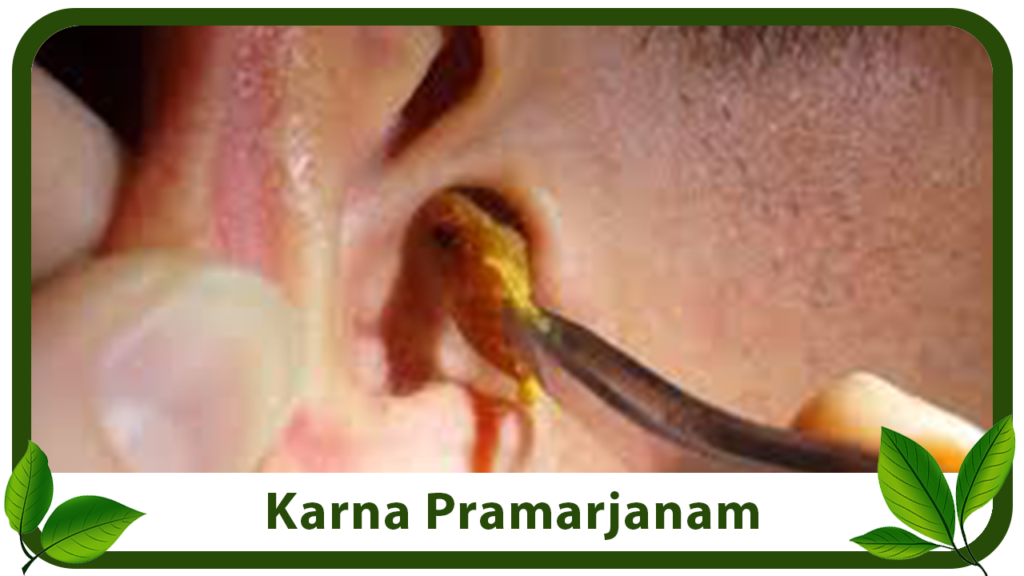
It involves careful wiping and cleaning of ear passage and surrounding area.
Done quickly as part of ear care routine.
Maintains ear comfort and cleanliness, indicated in itching, dust exposure, discharge tendency and irritation.
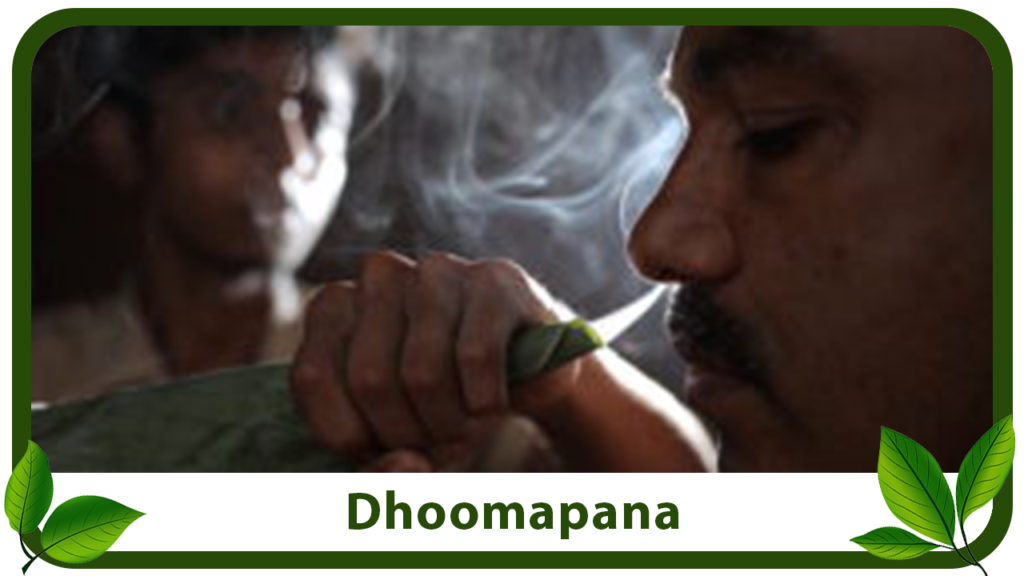
It is a traditional therapy in which medicated herbal smoke is gently inhaled through the nose or mouth and exhaled. The herbs used are carefully selected based on the patient’s condition.
The procedure is usually done after mild oil massage and steam therapy and the patient inhales small amounts of smoke in a controlled manner for a few minutes under supervision. It is quick, safe when properly administered and is advised as a short course.
This therapy aims at removing excessive Kapha and Vata doshas from the head, neck and respiratory tract. It is indicated for a wide range of ailments related to the upper respiratory tract (Urdhvajatrugata Rogas) and sensory organs like sinusitis, rhinitis, insomnia, anorexia etc.
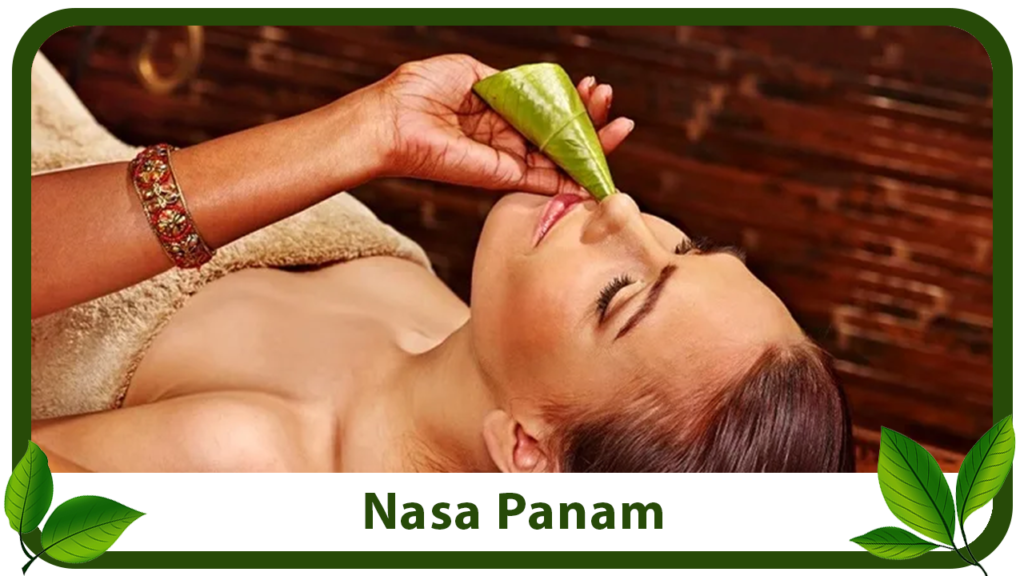
Nasa Panam refers to the internal intake of specific herbal preparations that support the health of nasal passages, sinuses and upper respiratory system from within. Unlike Nasya, this therapy works through digestion and systemic action.
The medicines are usually given in measured doses for a prescribed duration, often along with dietary advice and lifestyle modifications to enhance effectiveness.
They are used to treat diseases involving Kapha and Vata doshas, particularly in the head and neck. It is indicated mainly in cases of migraines, chronic headache, eye disorders, hair loss, anxiety etc.
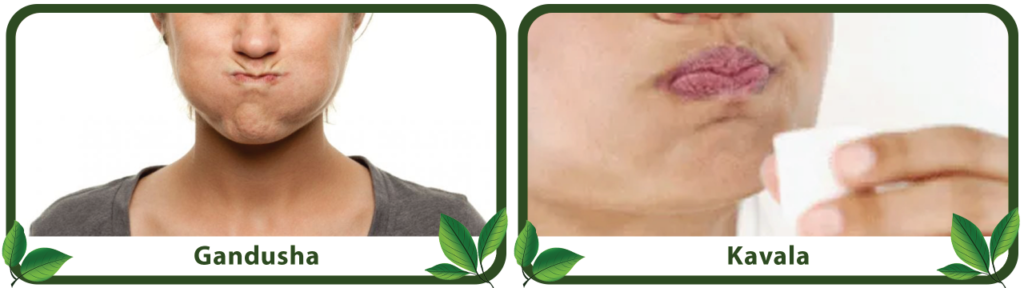
Gandusham is a procedure where the mouth is completely filled with medicated oil or herbal decoction and held without movement where as Kavalam is holding a smaller quantity of medicated liquid and actively gargling or swishing it around the mouth.
The therapy is performed for 5–10 minutes, often repeated multiple times depending on physician advice. It can be done with herbal oils, decoctions or medicated water. The patient holds the liquid until there is mild watering of eyes or heaviness in mouth.
These are mainly indicated in cases of eriodontal diseases, tooth mobility, oral dryness, cracking of lips, cervical spondylitis, voice disorders and earaches etc.
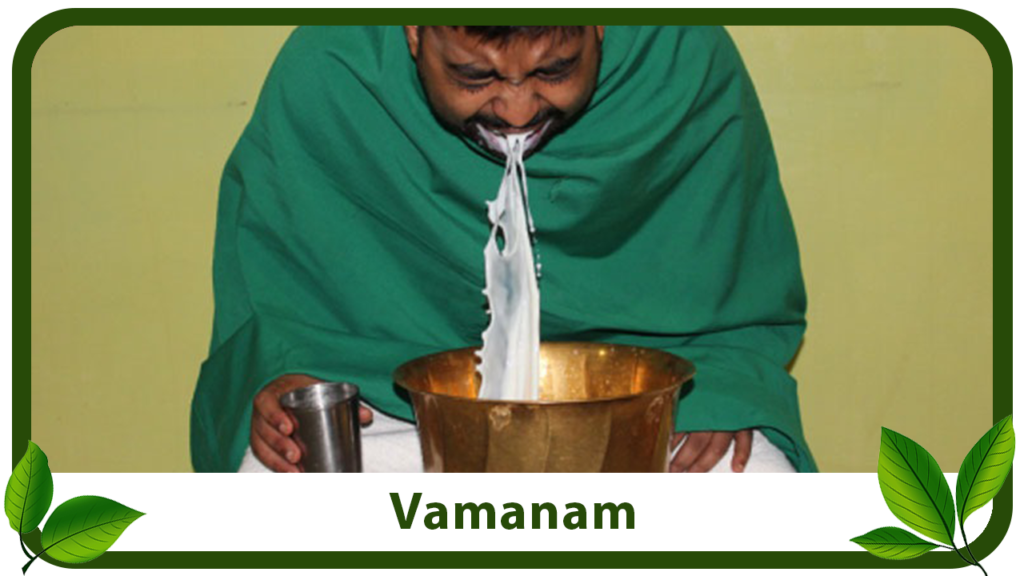
A planned cleansing procedure where controlled vomiting is induced using herbal medicines to remove accumulated toxins mainly from the stomach, lungs and upper body channels.
Done after internal and external preparation therapies, the main procedure usually takes one supervised session in the morning, followed by rest, special diet and gradual recovery plan.
Helps to clear excess mucus and metabolic waste, improves digestion and breathing, commonly indicated in asthma, chronic allergies, recurrent cold, certain skin diseases, obesity and metabolic sluggishness.
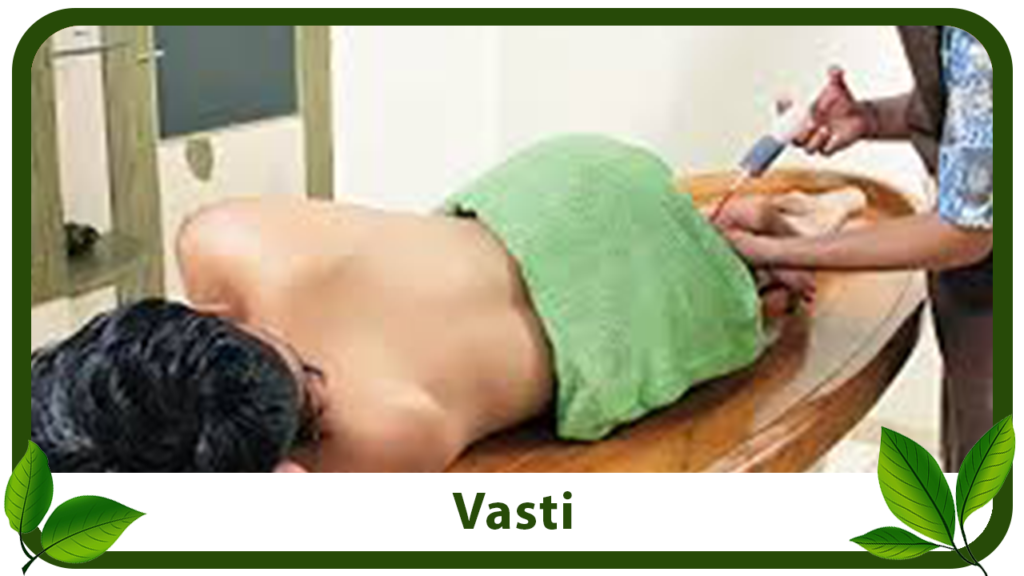
One of the most important Panchakarma treatments where medicated oils or herbal decoctions are administered through the rectal route.
Given as a structured course over several days, alternating nourishing and cleansing enemas based on patient condition.
Balances nervous system and joint health, improves lubrication and bowel movement, indicated in arthritis, sciatica, paralysis, lower back pain, constipation and degenerative disorders.
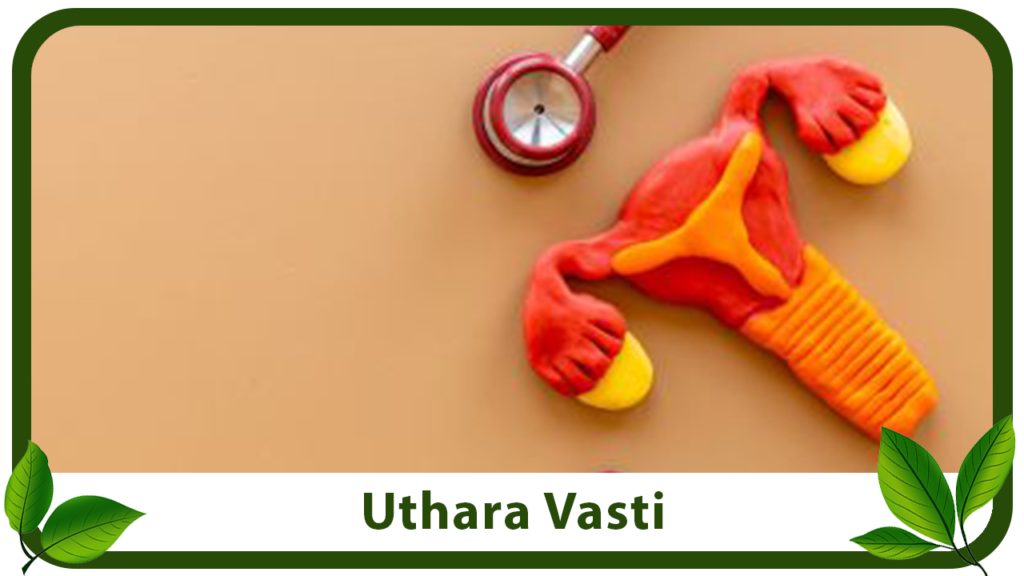
A specialised form of Vasti where small quantity of medicated oil or decoction is administered through urinary or reproductive passages under sterile conditions.
The procedure is short and usually done in multiple sittings depending on response, with proper preparation and post-care.
Helps to remove blockages, improves organ nourishment and hormonal balance, commonly used in infertility, menstrual irregularities, PCOS support, urinary problems and prostate issues.
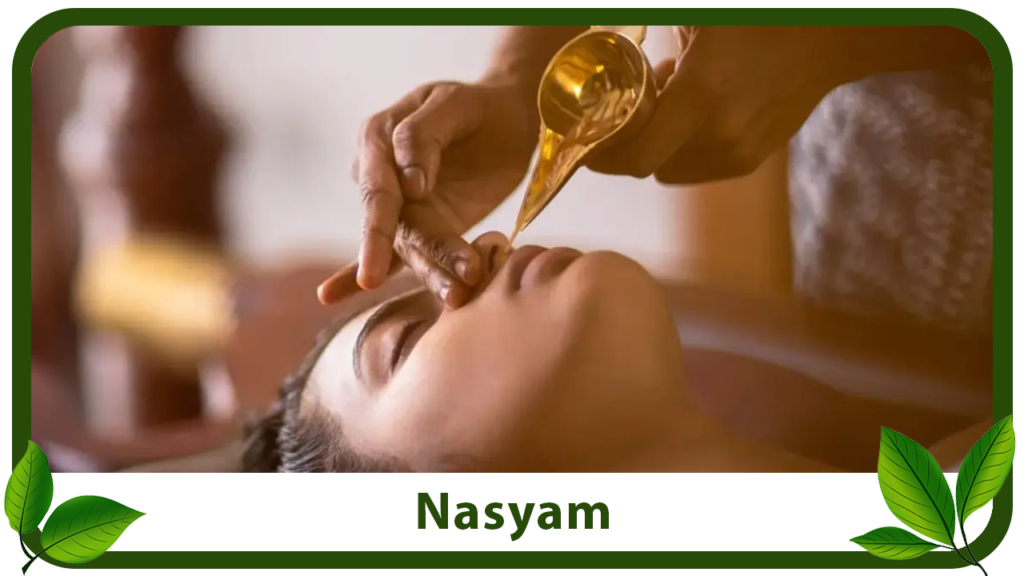
Administration of medicated oils, powders or juices through the nostrils to cleanse and nourish head region.
Done after gentle face massage and steam; the entire procedure takes 10–20 minutes and may be given as a course.
Clears sinus passages, enhances voice and sensory function, useful in sinusitis, migraine, cervical stiffness, hair fall and memory issues.
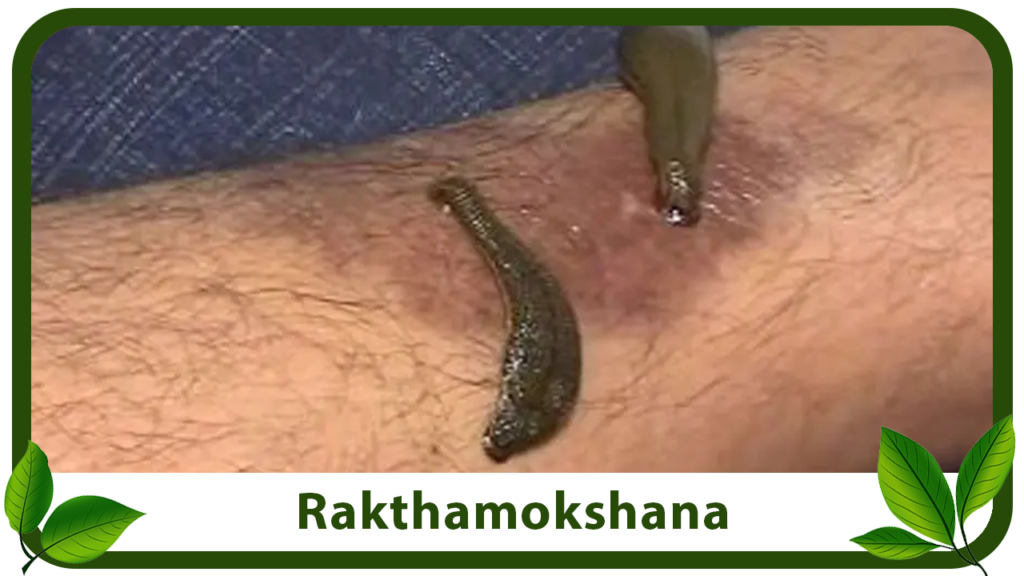
A controlled procedure to remove small quantity of impure blood using traditional safe methods like leech therapy or puncturing techniques.
Duration depends on method used and is done with proper aseptic precautions and monitoring.
Reduces local inflammation and toxin load in blood, helpful in chronic skin diseases, non-healing ulcers, varicose veins, pigmentation and swelling.
Since 1944